
This post may contain affiliate links. Please see our disclosure policy for more details.
“No salt before 1.”
“Kidneys can’t handle it.”
“Even a pinch is dangerous.”
If this has been something you’ve been stressing about, you’re def not alone. I’ve been here!
This is one of those areas where the internet tends to amplify fear instead of offering clarity.
So let’s do what we do best here and keep it simple and realistic, just like the rest of feeding. Because we’re cooking for our whole family, not running a separate restaurant for our babies.
The KidFriendly Meals Club is here to make feeding your family feel simpler. As a pediatric dietitian, I’ll help quiet the noise, break down what really matters, debunk the myths, and take some of those nutrition worries off your plate.
Table of Contents
Salt vs. sodium
These two get used interchangeably, which is where a lot of confusion comes from.
Salt is what you add when cooking or seasoning your food.
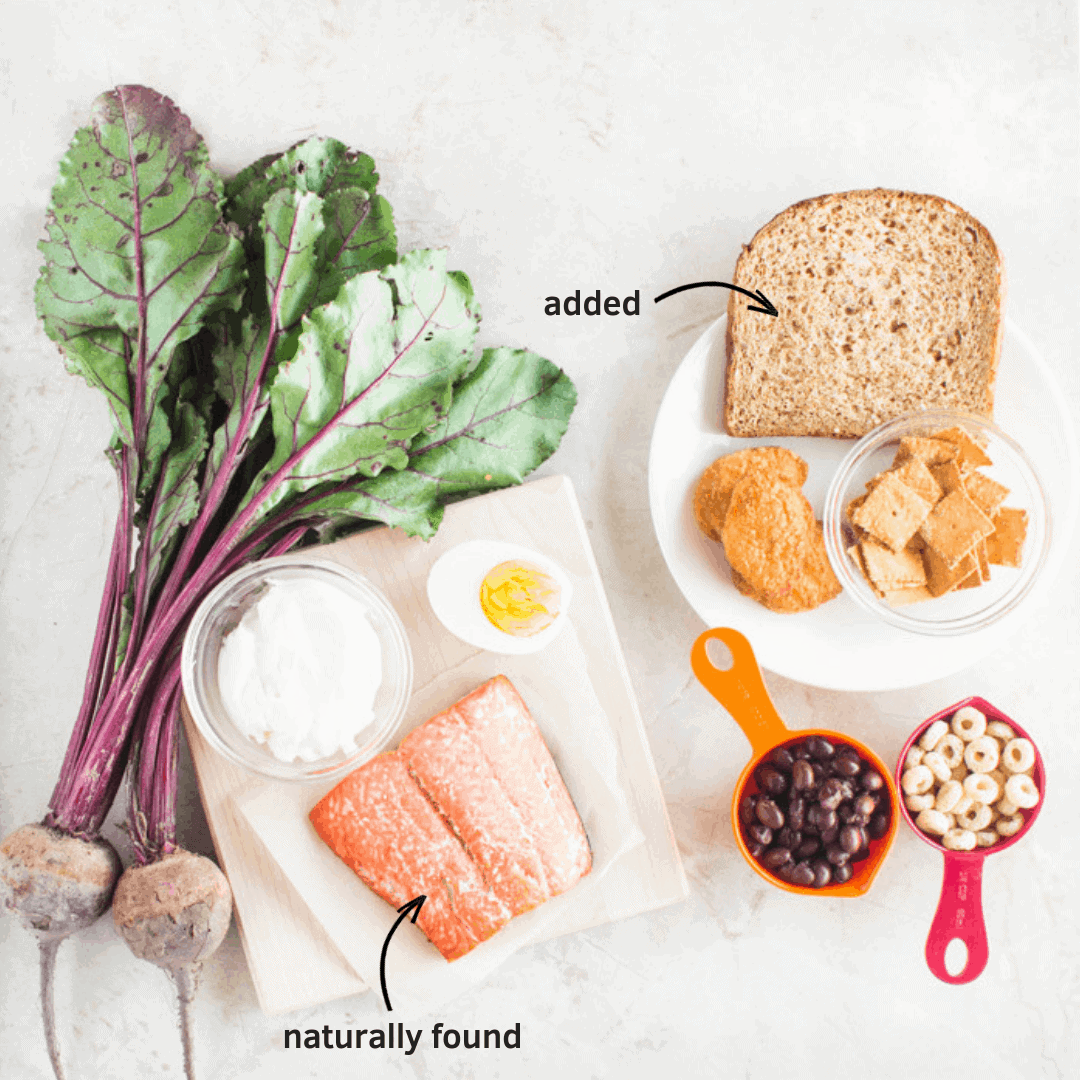
Sodium is the actual mineral found in salt, and it’s also naturally present (like in salmon, yogurt, eggs, vegetables…) or added to many foods.
So when recommendations talk about “limiting salt,” they’re really talking about total sodium intake.
What the current guidance actually says
For babies under 12 months, recommendations focus on limiting ADDED sodium.
Why?
Because babies need only a small amount, and their intake can add up quickly if a lot of processed or heavily salted foods are included.
For toddlers (1+), sodium is still something to be mindful of, but the guidance becomes more about overall patterns, not perfection at each meal.
You can translate this to:
This is about total intake over time, not stressing over a sprinkle here and there.
Where the fear comes from
You’ll often hear that babies’ kidneys “can’t handle salt.”
That is true. But it’s been taken way out of context.
Yes, babies’ kidneys are still developing.
But the concern is with consistently high sodium intake, especially from:
- Processed foods
- Packaged snacks
- Restaurant meals
- Heavily salted dishes
Not home-cooked meals with a small amount of salt.
Ways to flavor food without relying too much on salt
I’ve learned so much about sodium since becoming a mom.
Before kids, I had no idea how much sodium was hiding in everyday pantry staples like bread, cheese, sauces, even foods that seem “healthy.”
And as you probably know… you can have all the information in your head, feel set on doing things a certain way, but when your baby actually arrives and it’s time to put it into practice, it can feel completely different.
When I first started solids with my oldest, I was extremely cautious about how much salt he was getting.
By the time my second came around, I felt a lot more relaxed and confident. Not because sodium stopped mattering, but because I finally understood what actually makes a difference.
So if you’re in that place of wondering “how do I make food taste good without overdoing the salt?” here are some simple ways to do exactly that, while still feeding the whole family the same meal.
1. Build flavor with aromatics
This is my go-to starting point for almost everything.
Garlic, onion, green onions, ginger…these add so much depth without needing extra salt. Even just sautéing onions in a little oil can completely transform a dish.
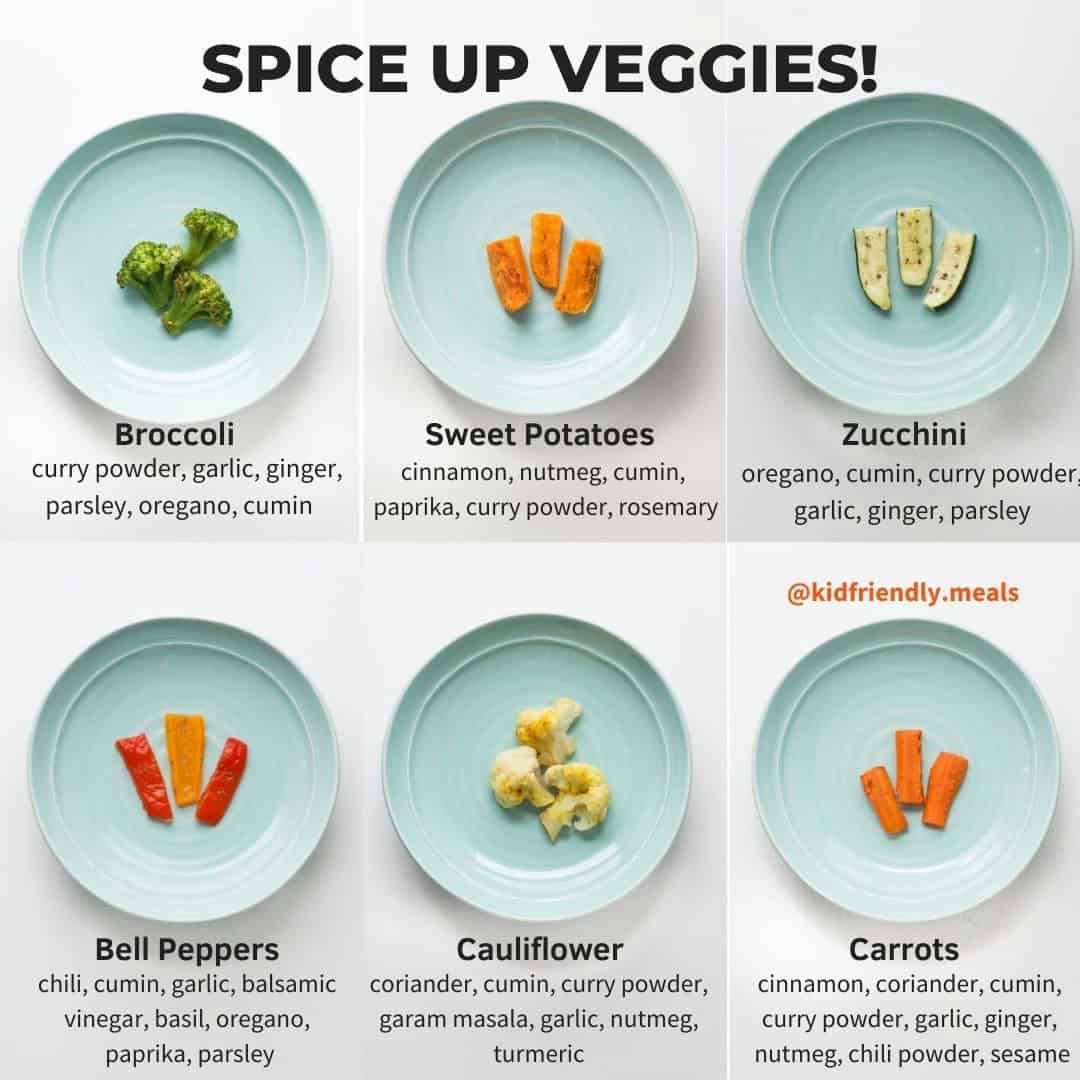
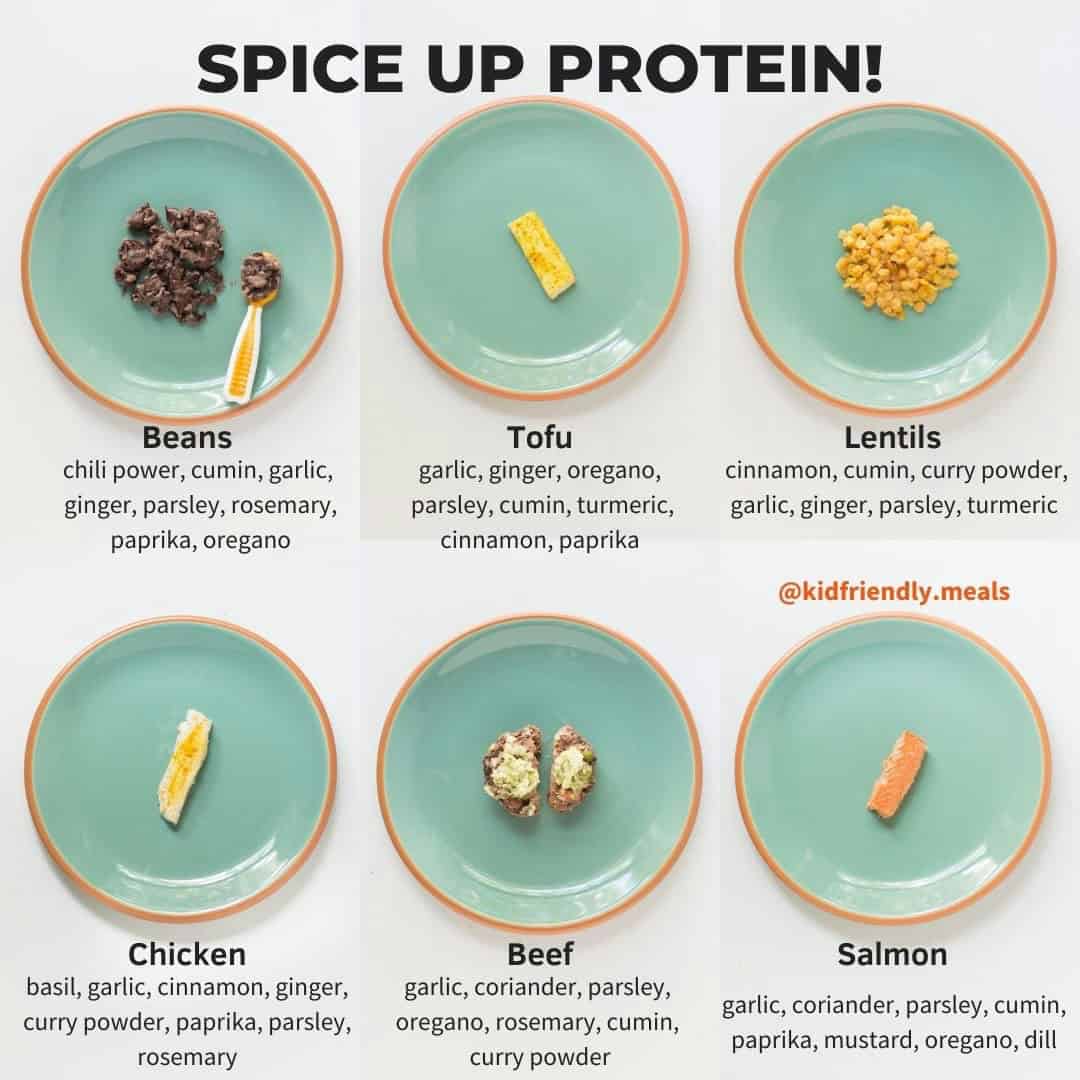
2. Use herbs and spices
You’ll notice in my recipes that I rely on these A LOT. It’s how I’m able to cut back on salt without sacrificing flavor. You don’t need a full spice drawer to make this work.
A few simple ones go a long way:
- Cinnamon or nutmeg for sweeter dishes
- Cumin, smoked paprika, turmeric, curry powder, oregano for savory meals
- Basil, oregano, thyme for easy flavor boosts
To help you get started, here are some of my favorite combinations. Use these as a starting point, then experiment and find what your family loves.
3. Add a little acid
This is one of the easiest ways to make food taste better instantly.
A squeeze of lemon or a splash of vinegar can brighten everything and help balance flavors so you don’t feel like something is missing.
4. Don’t skip healthy fats
Fat carries flavor and makes food more satisfying!
Olive oil, sesame oil, butter, avocado, peanut butter or nut butter (try this 3 ingredient peanut sauce!)…these not only boost taste but also help little ones feel full and support growth.
5. Let natural flavors shine
Some foods already bring so much flavor on their own.
Roasted sweet potatoes, sautéed carrots, caramelized onions…these add natural sweetness and depth without needing much else.
All this to say…
You don’t need to strip food of flavor to keep it “safe.”
You also don’t need to rely heavily on salt to make it taste good.
Because your baby’s food shouldn’t be bland! This is your window to introduce a wide range of flavors early and often. The more exposure they get now, the more familiar and accepted those flavors become later.
So have fun, experiment, and don’t be afraid to mix things up a little… this is where the magic happens!
I discovered so many flavor combinations during this stage of feeding my babies that I never would’ve tried otherwise, and they’re still our favorites. Fun fact, it’s when my undying love for smoked paprika began. Can’t stop. Won’t stop 🤣.