
This post may contain affiliate links. Please see our disclosure policy for more details.
“Can I have a snack?”
You give them one.
Twenty minutes later…
“Can I have another snack?” 😂
If it feels like your child would happily snack ALL DAY but then barely touches lunch or dinner, you’re definitely not alone.
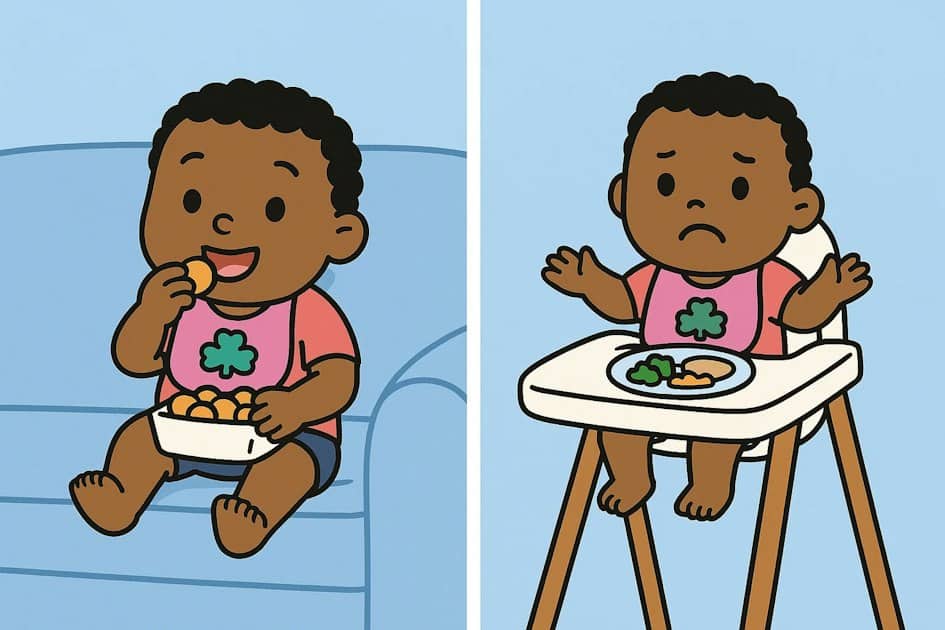
First, snacks aren’t bad. Young children have small stomachs and typically need eating opportunities between meals to meet their nutrition and energy needs.
The problem isn’t snacking.
It’s grazing.
When kids nibble on food or sip calorie-containing drinks throughout the day, they may never get quite hungry enough for a meal.
So if your child is constantly asking for snacks but rarely seems interested in meals, adding a little structure to WHEN food is offered can make a huge difference.
Why Does My Child Want to Snack All Day?
They’re never getting a chance to build an appetite
A few crackers here.
A pouch in the car.
Half a banana while you’re making dinner.
A cup of milk while they’re playing.
None of these things seems like much on its own, but it can add up.
If your child is eating every 30 minutes or hour, their tummy may stay just full enough that when you finally sit down for dinner…they’re simply not that hungry.
Snack foods are familiar and predictable
Think about many of the foods we typically call “snacks.”
Crackers. Bars. Pouches. Pretzels. Fruit.
They tend to look and taste pretty much the same every time.
For a child who’s cautious around food, that’s very appealing!
Dinner, on the other hand, might look a little different every time you make it.
There’s nothing wrong with crackers or pouches. But if your child knows they can skip dinner and have their favorite snack shortly afterward, meals can quickly become less appealing.
They’ve gotten used to eating on the go
It’s SO easy for snacks to become something kids eat while doing everything else.
In the stroller.
In the car.
While watching TV.
While walking around the house.
While playing.
We’ve all been there.
But when eating happens constantly in the background, children have fewer opportunities to notice what hunger and fullness actually feel like.
There’s no predictable rhythm around food
Young children thrive on knowing what to expect.
You don’t need a rigid schedule, but having a general rhythm of meals and snacks helps your child learn:
Food isn’t available constantly, AND another opportunity to eat is always coming.
That second part is really important.
We’re not restricting food. We’re providing reliable access to food within a predictable structure.
What Should You Do?
1. Create a predictable meal and snack rhythm
For many young children, this looks like 3 meals and 2–3 snacks throughout the day, generally spaced about 2–3 hours apart.
Something like:
Breakfast → snack → lunch → snack → dinner
Depending on your child’s age, schedule, bedtime, and appetite, they may also need a bedtime snack.
This doesn’t have to happen at exactly 7:02, 9:37, and 12:01 every day.
Think rhythm, not rigid schedule.
The goal is simply to create enough space between eating opportunities for your child to develop an appetite.
2. Make snacks more like mini meals
I LOVE this approach.
Instead of thinking of snacks as just “snack foods,” think of them as another opportunity to provide nutrition.
Whenever possible, pair 2 or more food groups.
Try:
- Apple + peanut butter
- Yogurt + berries
- Cheese + crackers
- Banana + nut or seed butter
- Toast + avocado
- Hummus + pita
- Cottage cheese + fruit
- Muffin + yogurt
Adding protein, fat, and/or fiber can make snacks more satisfying so your child isn’t asking for something else 15 minutes later.
3. Make water the main drink between eating opportunities
Don’t forget about drinks!
If your child is sipping milk, juice, or smoothies throughout the day, those can affect appetite too.
Offer calorie-containing drinks intentionally with meals or snacks rather than allowing your child to sip them all day.
Between eating opportunities, water is a great choice.
4. When they ask for a snack, tell them when food is coming
If your child asks for a snack 30 minutes before dinner, you don’t have to immediately hand them crackers.
You also don’t have to make it a big deal.
Try:
“Dinner is coming soon. We’ll eat then.”
Or:
“Snack time is after we get home.”
Keep it simple and matter-of-fact.
Your job is to provide reliable eating opportunities. Your child doesn’t have to decide when food is served all day long.
5. If dinner is still a while away, don’t be afraid to feed them!
This is an important one.
I don’t want you so focused on “protecting their appetite” that you’re making a genuinely hungry child wait an hour and a half for dinner.
If dinner got pushed back or your child is clearly hungry, feed them.
You can move the meal earlier if possible or offer a planned snack.
We want structure, not rigidity.
6. Have a designated place for eating
Whenever possible, have your child sit for meals AND snacks rather than walking around with food.
This helps create a clear distinction:
This is eating time. This is playtime.
It also matters for safety. Young children should be seated and supervised while eating rather than running or playing with food in their mouths.
You don’t necessarily have to sit at the dining table every single time. A kitchen island, toddler table, picnic blanket, or another safe designated eating space can work too.
7. Don’t expect your toddler to sit through a 30-minute family dinner
Sometimes the problem isn’t actually that your child “won’t sit.”
Our expectations may simply be too high.
Toddlers aren’t designed to sit through long, leisurely meals.
Once your child has had an opportunity to eat and is showing you they’re finished, you don’t need to keep them at the table hoping they’ll eventually take another bite.
You can calmly end their meal and move on.
Sitting longer doesn’t necessarily mean eating more.
8. Don’t chase them around with food
Your toddler takes two bites, runs off to play, and suddenly you’re following behind with a fork saying:
“One more bite!”
We’ve ALL felt the temptation. 😂
But instead of turning meals into something your child does while playing, keep food at the designated eating area.
If they’re finished, they’re finished.
There will be another opportunity to eat.
This helps establish that eating happens during meals and snacks rather than continuously throughout the day.
9. Include familiar foods at meals
If your child knows their favorite crackers are coming right after dinner, they may have very little reason to engage with what’s on their dinner plate.
Instead, try to include at least one familiar food as part of the meal whenever possible.
Then allow your child to decide what and how much to eat from what’s offered.
You don’t need to convince them to eat.
You don’t need to require “just one bite.”
And you don’t need to make a replacement snack immediately afterward because dinner didn’t go the way you hoped.
10. Give the new routine some time
If your child has been grazing all day, don’t expect everything to change overnight.
They may ask for snacks constantly at first.
That’s okay.
Stay consistent while also paying attention to their individual hunger cues.
Over time, a predictable rhythm can help your child come to meals with more of an appetite and learn that they can trust another opportunity to eat is always coming.
Remember: Structure Isn’t Restriction
This is the piece I really want parents to hear.
Having set meal and snack times isn’t about controlling how much your child eats.
It’s actually the opposite.
You provide the structure. Your child listens to their body.
You decide what foods are offered and when and where eating happens.
Your child decides whether to eat and how much.
Some days they’ll devour breakfast and barely touch lunch.
Some days they’ll ask for seconds at snack and eat two bites of dinner.
That’s okay.
We’re not trying to make them hungry enough that they’ll finally eat the broccoli. We’re simply creating enough space between eating opportunities for them to recognize their own hunger and fullness.
So keep the snacks.
Just give them a home in your child’s day rather than letting them become an all-day event.