
This post may contain affiliate links. Please see our disclosure policy for more details.
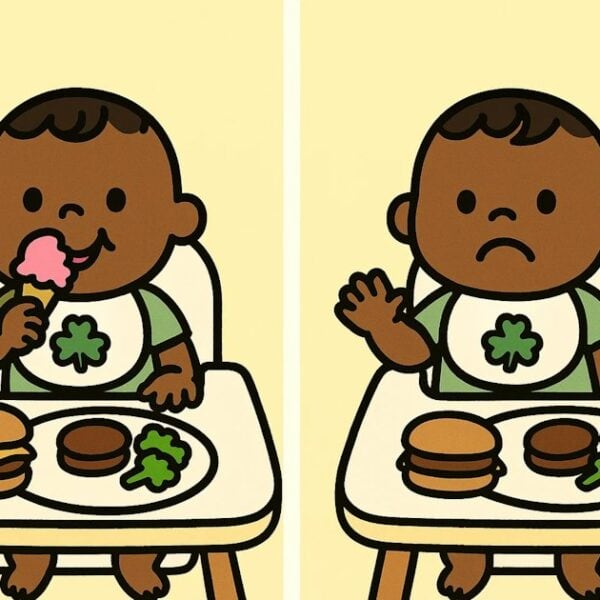
“My toddler barely eats…but they LOVE milk.”
I hear this one ALL the time.
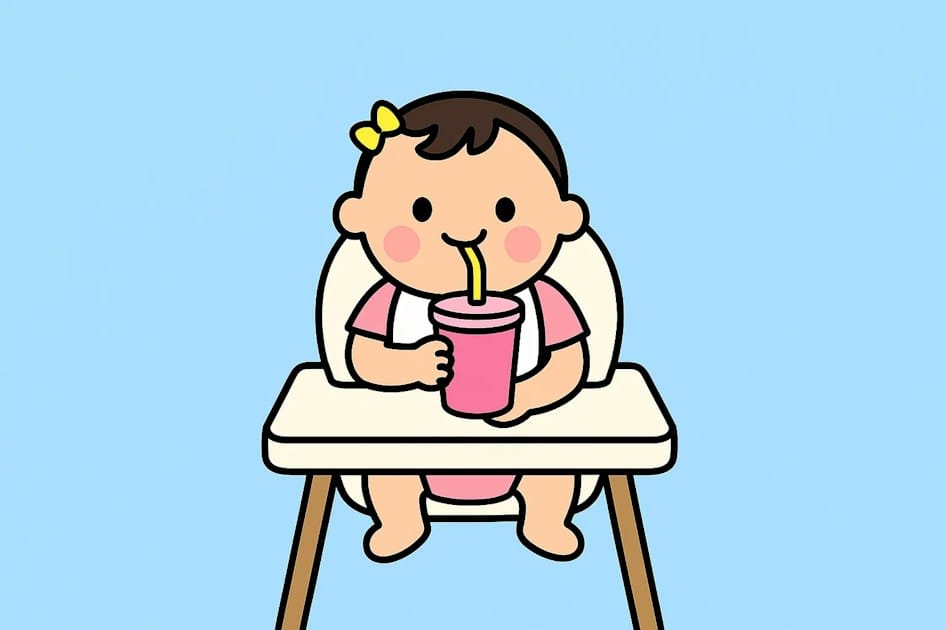
Maybe your child takes two bites of breakfast but happily drinks an entire cup of milk. Or they refuse lunch but ask for a smoothie 20 minutes later.
And naturally, you start thinking: Well, at least they’re getting something!
I completely understand. When your child isn’t eating much, offering something you KNOW they’ll drink can feel reassuring.
But if your child is regularly filling up on milk, juice, or smoothies throughout the day, those drinks may actually be leaving very little room—or appetite—for food.
So if this sounds familiar, let’s talk about what might be happening and some simple changes that can help.
Table of Contents
Why Does My Child Prefer Drinking Over Eating?
They’re filling up on liquids
This is one of the first things I look at when a parent tells me their child barely eats.
What are they drinking throughout the day and how much?
Milk and smoothies provide calories and nutrients, so they’re very different from water when it comes to appetite.
If your child is sipping milk throughout the morning, has a smoothie before lunch, or carries around a cup of milk throughout the day, they simply may not arrive at meals very hungry.
And when they’re not hungry, it’s going to be much harder to get excited about the chicken and broccoli sitting in front of them.
Drinks are familiar and predictable
If your child knows exactly what their favorite smoothie or cup of milk is going to taste like, it’s easy to see why they might choose that over a less familiar meal.
This can be especially true for selective eaters.
The goal isn’t to suddenly take away the drinks they love. Instead, we want to create enough structure around them that your child still has plenty of opportunities—and an appetite—to eat food.
Drinking may have become part of their routine
Sometimes without realizing it, we fall into a cycle.
Your child doesn’t eat breakfast, so you offer milk.
They barely touch lunch, so you make a smoothie.
They refuse dinner, and now you’re worried they’ll go to bed hungry, so you offer another cup of milk.
Again, this comes from SUCH a good place.
But over time, your child may learn that if they don’t eat much at meals, something familiar and easy to drink will be available shortly afterward.
They may actually be having difficulty with solid foods
This is an important distinction.
A child who prefers milk over dinner is very different from a child who consistently struggles to chew or swallow age-appropriate foods.
If your child frequently gags, coughs, chokes, pockets food, seems distressed by textures, or isn’t progressing with age-appropriate eating skills, don’t assume it’s simply picky eating.
Talk with your pediatrician or a feeding specialist so they can help determine what’s going on.
What Should You Do?
1. Start with a meal and snack schedule
If your child is grazing on food AND drinks all day long, start by creating a little more structure.
Aim for regular meals and snacks with time in between for your child to build an appetite.
For many young children, that might look like:
Breakfast → snack → lunch → snack → dinner
It doesn’t have to happen at the exact same minute every day. The goal is simply to move away from all-day grazing and sipping.
2. Offer water between meals and snacks
This can make a BIG difference.
Instead of allowing your child to carry around milk, juice, or a smoothie throughout the day, offer those drinks intentionally with meals or snacks and make water the main drink in between.
This gives their body time to actually experience hunger before the next eating opportunity.
3. Look at how much milk they’re drinking
More isn’t necessarily better.
Milk is nutritious, but drinking too much can crowd out other foods your child needs and can be especially important to address because excessive cow’s milk intake can contribute to iron deficiency in young children.
If your child is barely eating but drinking cup after cup of milk, this is absolutely something I’d take a closer look at.
Rather than abruptly taking it away, start creating more structure around when milk is offered and how much is served.
4. Think of smoothies as FOOD
I LOVE smoothies. They’re such an easy way to offer fruit, vegetables, yogurt, nut or seed butter, and so many other nutritious ingredients.
But I don’t want smoothies replacing every opportunity to practice eating.
Think of a smoothie more like a snack or part of a meal rather than something your child sips throughout the day whenever they’re hungry.
And whenever possible, pair it with something they can chew.
For example:
Smoothie + toast
Smoothie + muffin
Smoothie + quesadilla
Smoothie + scrambled egg
Smoothie + crackers and cheese
Now your child still gets something familiar while also having an opportunity to practice eating solid food.
5. Don’t immediately offer a drink when they don’t eat
This one can be tough.
Your child eats two bites of dinner and says they’re done. Your first instinct may be:
“Okay, do you want some milk?”
Instead, trust that they get to decide how much they eat from the meal you’ve provided.
If milk wasn’t already part of the meal, you don’t need to immediately offer it as a replacement.
There will be another eating opportunity.
This helps prevent the cycle of refuse food → receive preferred drink.
6. Keep portions of drinks reasonable
A giant cup of milk next to a toddler-sized plate can easily become the meal.
Start with a smaller amount.
If your child tends to drink everything before touching their food, you can also experiment with offering some food first and bringing the milk to the table shortly afterward.
This isn’t about withholding milk until they “earn” it by eating.
You’re simply creating an environment that gives them an opportunity to notice the food before filling their stomach with a drink.
7. Keep offering foods they can chew
Chewing is an important eating skill, and children need opportunities to practice it.
Even if your child LOVES smoothies, yogurt, applesauce, and other soft foods, continue offering a variety of developmentally appropriate textures.
You don’t need to pressure them to take a bite.
Serve something familiar alongside other foods and let them explore.
If they’re comfortable with dips, use that to your advantage! Offer hummus with pita, yogurt with soft fruit, mashed avocado with toast, or another combination that pairs a familiar texture with something they can pick up and chew.