
This post may contain affiliate links. Please see our disclosure policy for more details.
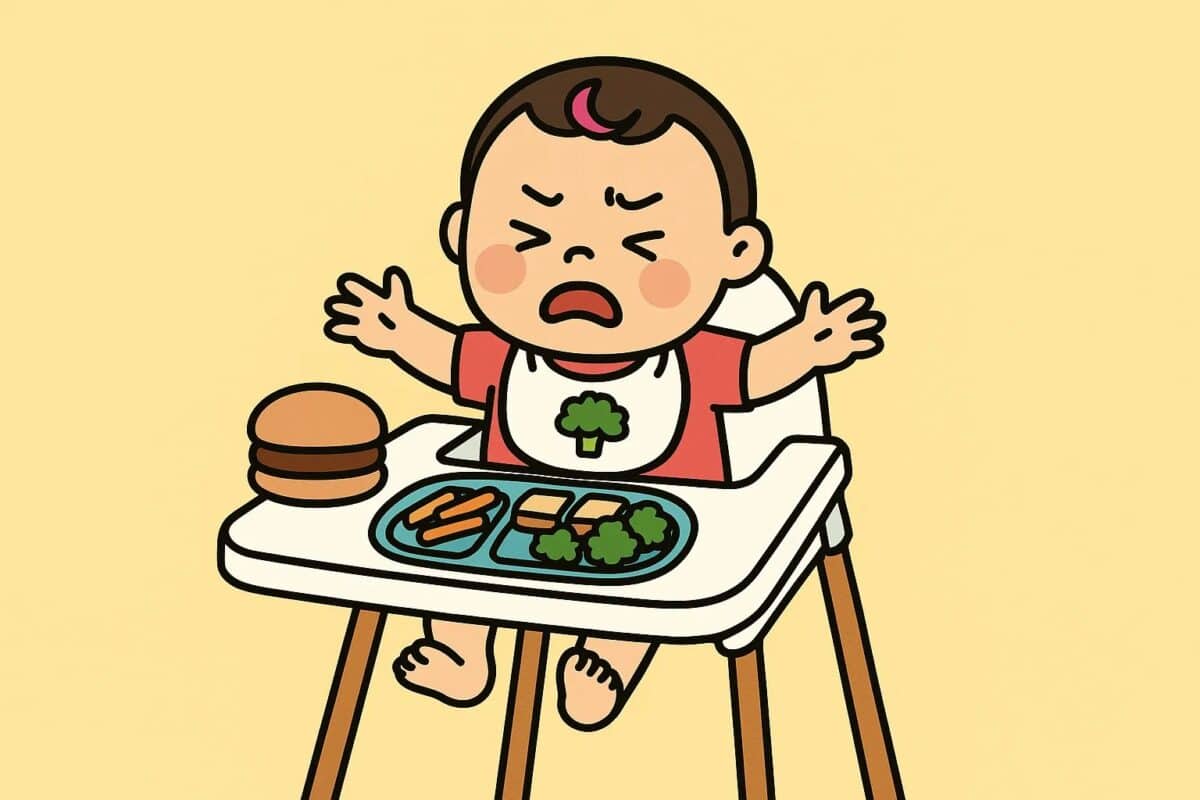
“How can I get my toddler to eat?”
This is one of the TOP questions I receive from parents. And I get it.
You make a meal, put it in front of your child, and they take one look and say, “NO!” Or maybe they eat the fruit, ask for more bread, and leave the protein and vegetables completely untouched.
So naturally, you start encouraging.
“Just take one bite.”
“You liked this yesterday!”
“Eat your chicken and then you can have more strawberries.”
“Just two more bites.”
It comes from such a good place. You want your child to eat. You want them to get the nutrients they need to grow and thrive.
But if there’s one thing I want you to know, it’s this:
The harder you try to get your toddler to eat, the more resistance you may create.
So instead of focusing on getting your child to eat, let’s talk about what you can do to help them feel comfortable coming to the table, exploring food, listening to their body, and gradually becoming a more confident eater.
And yes, it may feel like the complete opposite of what your instincts are telling you to do!
Why Is My Toddler Suddenly So Picky?
First, know that you are not alone.
It’s very common for toddlers to become more selective about food as they grow. A child who happily ate broccoli, chicken, avocado, and basically everything you offered as a baby may suddenly start rejecting foods they used to love.
There are several reasons this can happen.
They’re becoming more independent
Toddlers are discovering that they have opinions and they’re not afraid to share them!
They’re learning that they can make choices and have some control over their world. Food is one of the many places where they can exercise that newfound independence.
Sometimes “NO!” really does just mean “I get to decide!”
New foods can feel unfamiliar
Toddlers are also becoming more aware of how foods look, smell, taste, and feel.
That tiny green speck in their pasta that they never noticed before? Suddenly VERY noticeable.
A food that looks different than it did yesterday? Suspicious.
This caution around unfamiliar foods is called food neophobia, and it’s common during childhood.
This is also why repeated exposure is so important. Your child doesn’t have to eat a food for the exposure to “count.” Seeing it, smelling it, touching it, helping prepare it, or having it on their plate are all opportunities to become more familiar with that food.
Their appetite can be unpredictable
Toddler appetites can be all over the place.
One day your child may eat more than you do, and the next day you’re wondering how they are surviving on three blueberries and air 😂.
Unlike during infancy, growth slows during the toddler years, so appetite may slow down too. And appetite naturally changes from meal to meal and day to day depending on growth, activity, sleep, illness, snacks, and so much more.
This is why I encourage parents to look at what their child eats over time rather than judging their nutrition based on one meal or even one day.
Sometimes your child isn’t refusing dinner because they don’t like it. They simply may not be very hungry.
The #1 Thing I Want You to Stop Doing
If you’re constantly thinking, But how do I actually GET my toddler to eat?, this is where I want you to make a big mindset shift.
Take the pressure off.
Pressure can look obvious:
“Take three more bites.”
“You can’t leave the table until you eat your vegetables.”
But it can also be much more subtle:
“Just try it!”
“Mommy worked really hard on this.”
“You need to eat some protein.”
“Take one bite and then you can have dessert.”
Even when it’s said lovingly, your child can still experience it as pressure.
And while pressure may get your child to eat another bite right now, that doesn’t necessarily help them become the kind of eater you’re hoping they’ll become long-term.
Why Pressuring Kids to Eat Can Backfire
I completely understand why parents do it. Why I do it.
When you’re watching your child eat very little, reject an entire food group, or refuse the dinner you spent an hour making, it’s HARD not to intervene.
But I want you to think beyond tonight’s dinner.
If your child repeatedly feels pressured to eat a particular food, they may begin associating that food and mealtimes in general with stress.
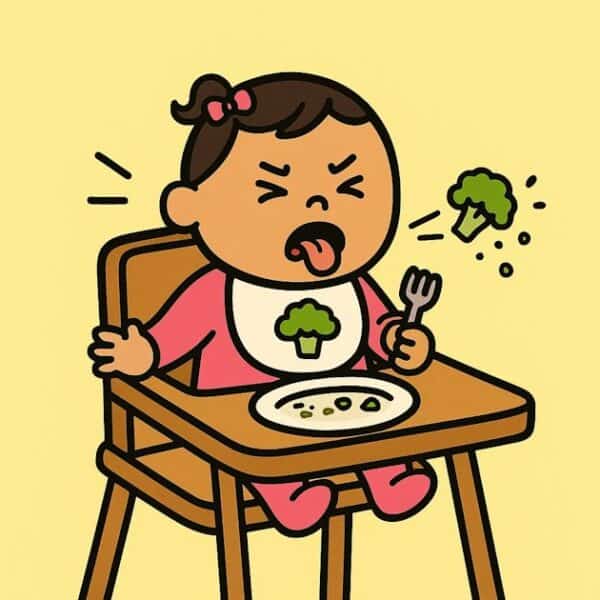
Rather than becoming more comfortable with broccoli because they were required to take a bite, they may become even more resistant to it.
Pressure can also make it harder for children to listen to their own hunger and fullness cues.
We want our kids to learn:
“My body tells me when I’m hungry and when I’ve had enough.”
Not:
“I’m finished when my plate is empty.”
or
“I’m finished when Mom says I’ve eaten enough.”
Children are born with an incredible ability to regulate their intake. Our job isn’t to determine exactly how much food they need at each meal. Our job is to provide the structure and opportunities that allow them to listen to their bodies.
What About Praising Your Toddler for Eating?
This one surprises a lot of parents.
“Good job eating your broccoli!”
“You ate all your chicken! Yay!”
“You cleaned your plate! Great job!”
It sounds so positive. We praise our kids for all kinds of things, so why wouldn’t we praise them for eating?
Because eating isn’t a performance.
When we praise children for how much they eat, they may start paying more attention to our reaction than to what their body is telling them.
A child who loves to please may keep eating because they want your approval, even if they’re already full.
A child who strongly values independence may feel the praise as another form of pressure and push back.
It can also unintentionally put foods into categories.
Think about it: We rarely say,
“GOOD JOB eating that cookie!”
But we do it with broccoli.
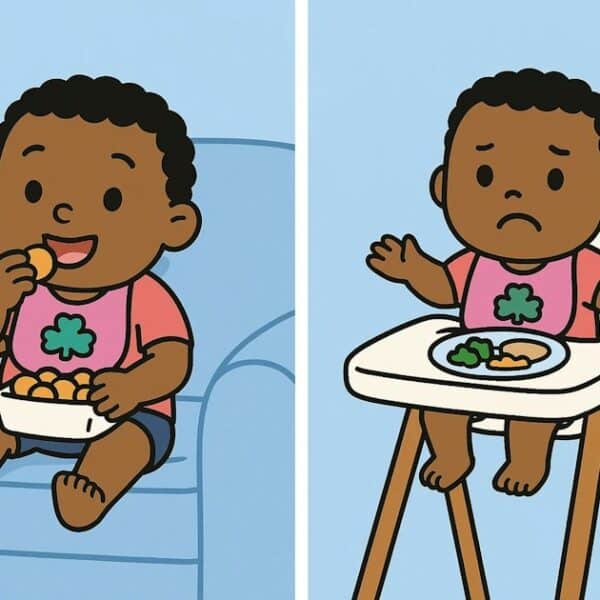
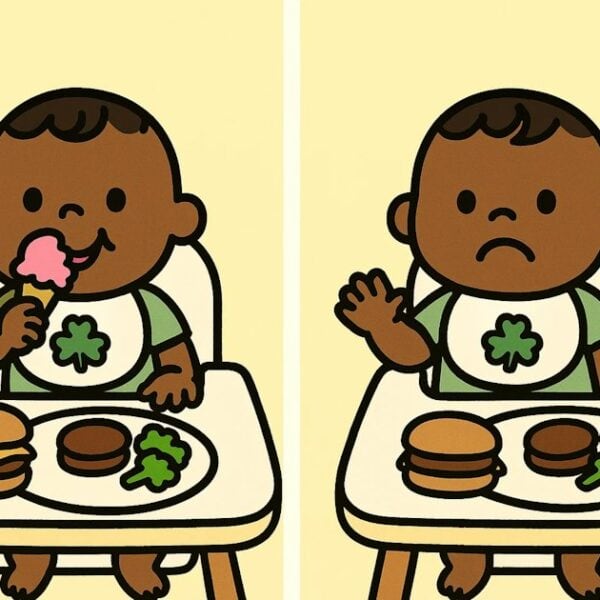
When we celebrate eating one food but not another, children quickly pick up on the message that one food must be the “good” food and the other is something more desirable.
Instead, I want to help you keep food language as neutral as possible.
So What SHOULD You Do When Your Toddler Won’t Eat?
This is where I want you to shift the question.
Instead of asking:
“How can I get my child to eat?”
Try asking:
“How can I help my child feel safe and comfortable learning to eat?”
That’s a very different goal.
And it takes so much pressure off both you AND your child.
1. Trust your child’s appetite
You decide what, when, and where food is offered.
Your child gets to decide whether and how much they eat from what you’ve provided.
Some meals they’ll eat a lot.
Some meals they’ll eat a little.
And yes, there will be meals when they eat nothing.
Our job isn’t to make them hungry or convince them to eat. It’s to provide regular opportunities to eat and allow their bodies to do the rest.
2. Serve appropriate portions
Sometimes we forget just how little toddlers are!
A big plate piled high with food can feel overwhelming, especially for a child who is already hesitant about what’s being served.
Start with small portions. They can always ask for more.
A couple pieces of broccoli feels a lot more approachable than half a plate of it.
3. Keep your language neutral
Try to take the emotion out of what your child eats or doesn’t eat.
Instead of:
“Ugh, you’re not eating your broccoli AGAIN.”
You might simply say:
“You don’t have to eat it.”
And continue eating your own meal.
Instead of:
“Good job! You ate your broccoli!”
You could say:
“Looks like you’re enjoying the broccoli today.”
Or honestly? You don’t have to say anything at all.
Which brings me to one of my favorite strategies…
4. Talk about something other than food
Not every bite needs commentary.
In fact, the less attention you give to how much your child is eating, the more relaxed mealtimes can become.
Talk about your day.
Tell a silly story.
Ask what made them laugh.
Talk about the book you read together or what you’re going to do tomorrow.
Let mealtime be about connection, not consumption.
5. Model instead of convincing
You don’t have to sell broccoli to your child.
Eat it yourself.
Let them see you enjoying a variety of foods without expecting them to do the same.
You might casually say:
“This broccoli is really crunchy today.”
Or:
“I like dipping mine in the sauce.”
Then move on.
Kids learn SO much by watching us. You don’t need to convince them that a food is delicious or healthy.
Just keep providing opportunities for them to experience it.
6. Remember that exposure still counts
This is a BIG one.
Your child does not have to eat the food for the experience to be worthwhile.
They might:
- tolerate it on their plate
- touch it
- smell it
- lick it
- take a bite and spit it out
- help wash or prepare it
- watch you eat it
These are all steps toward becoming familiar with a food.
Learning to enjoy new foods is a process, not a single bite.
Take the Pressure Off Yourself, Too
When your toddler doesn’t eat, it’s really easy to make it mean something about you.
Did I make the wrong thing?
Does my cooking taste bad?
Are they getting enough protein?
Should I make something else?
What if they don’t eat anything?
I’ve talked to SO many parents who carry this stress into every meal.
But your child’s refusal isn’t a grade on your parenting or your cooking.
You can prepare a beautiful, balanced meal and your child may not touch it.
You can serve their absolute favorite meal and they may decide they don’t want it today.
That’s feeding kids.
Our goal isn’t to raise children who happily clean their plates at every meal.
We’re playing the long game.
We want to raise children who feel comfortable around food, who can listen to their bodies, who are curious about new foods, and who can enjoy eating without guilt, pressure, or fear.
So the next time your child pushes their plate away after two bites, resist the urge to say, “Just one more bite.”
Take the pressure off.
- Keep providing structure.
- Keep offering variety.
- Keep modeling.
- Keep exposing.
And trust that learning to eat is a process.
Because ultimately, your job isn’t to get your child to eat. It’s to create an environment where they can learn to eat and trust their own body.