
This post may contain affiliate links. Please see our disclosure policy for more details.
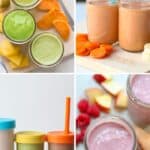
Looking for healthy toddler smoothies that are actually filling and not just blended fruit? The best smoothies for toddlers include a balance of fruit, protein, healthy fats, and fiber to support growing bodies and steady energy. In this guide, you’ll learn how to build balanced toddler smoothies plus easy recipe ideas your little one will love.
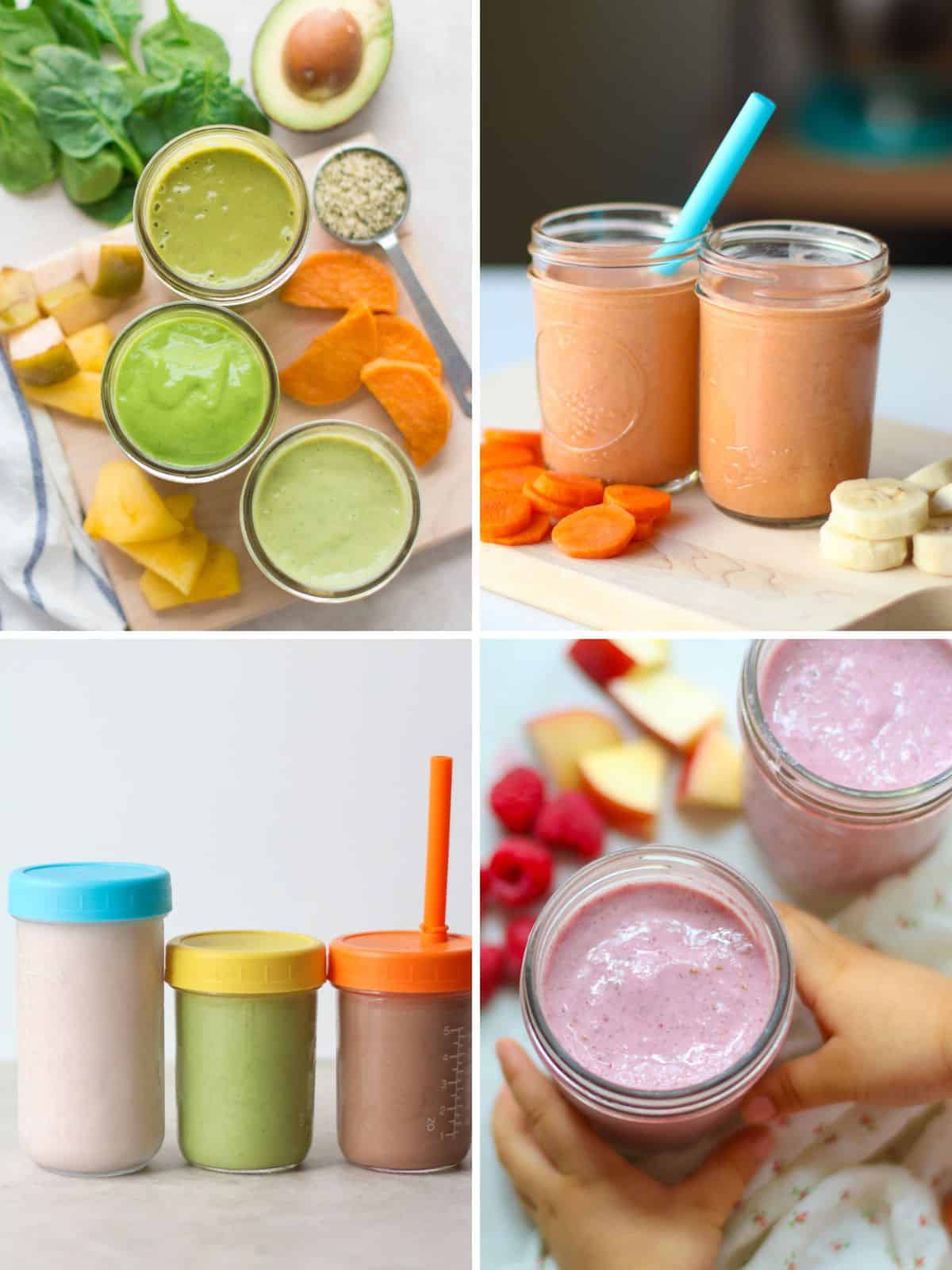
Smoothies can be a wonderful option during the toddler years, especially on busy mornings, during picky phases, or when you’re looking for an easy way to pack more nutrition into a small volume.
As a pediatric dietitian and mom, I like to think of toddler smoothies as drinkable mini-meals, not juice. When made the right way, they can help fill nutritional gaps while still supporting healthy eating habits!
Below you’ll find delicious toddler-friendly smoothie recipes along with tips to make smoothies safe, filling, and stress-free.
Table of Contents
- What Are Toddler Smoothies?
- Are Smoothies Good for Toddlers?
- When Can Toddlers Start Drinking Smoothies?
- My Pediatric Dietitian Formula for Balanced Toddler Smoothies
- Best Ingredients for Toddler Smoothies
- Ingredients to Limit in Toddler Smoothies
- 12 Healthy Toddler Smoothie Recipes
- Toddler Smoothies FAQs
- More Toddler Snacks
What Are Toddler Smoothies?
Toddler smoothies are blended drinks made with whole ingredients like fruit, yogurt, milk, and healthy fats that help support a child’s growth and energy needs. The best smoothies for toddlers are balanced with protein, fiber, and healthy fats, not just fruit, so they keep little ones full longer.
Are Smoothies Good for Toddlers?
Yes! Smoothies can absolutely be part of a healthy toddler diet.
They can be especially helpful when:
- your child is going through a picky eating phase
- mornings feel rushed
- your toddler prefers drinking over eating
- you want a simple way to make every sip count
That said, smoothies shouldn’t replace regular meals.
Toddlers still need plenty of opportunities to practice chewing different textures, explore whole foods, and learn how to eat a variety of foods at the table.
Think of smoothies as a snack or part of a meal, rather than the entire meal itself. If you’re serving a smoothie later in the day, you can pair it with other balanced options like these bedtime snacks for toddlers.
Here’s a collection of healthy toddler snacks.
When Can Toddlers Start Drinking Smoothies?
Most toddlers can start enjoying smoothies around 12 months, once they are comfortable drinking from a cup and eating a variety of textures.
A few tips when serving smoothies to young toddlers:
- Serve in a small open cup or straw cup (this is my FAV)
- Keep portions modest (about ½–1 cup)
- Pair smoothies with a solid food when possible (toast, muffin, egg). Here’s a collection of healthy muffins for toddlers and kids.
- Avoid adding extra sweeteners like sugar or honey
- Let your toddler help pour or push buttons to build interest
My Pediatric Dietitian Formula for Balanced Toddler Smoothies
Instead of tossing random ingredients into a blender (I’ve definitely done this too), I like to follow a simple formula that helps ensure smoothies are filling and nutritionally balanced.
A good toddler smoothie includes:
fruit + protein or healthy fat + fiber or vegetables + liquid
This combination helps create smoothies that are creamy, satisfying, and not overly sweet.
1. Fruit (natural sweetness)
Fruit gives smoothies their flavor and natural sweetness.
Some toddler-friendly favorites include:
- banana
- berries
- mango
- peaches
- applesauce
2. Protein or healthy fat (to keep them full)
Adding protein or healthy fats helps smoothies feel more satisfying so toddlers aren’t hungry again 10 minutes later.
Some great options include:
- Greek yogurt
- cottage cheese
- nut or seed butter
- avocado
- tofu
These ingredients also give smoothies a rich, creamy texture that toddlers tend to love.
3. Fiber or vegetables
This is an easy place to add ingredients that toddlers might not always eat on their own.
Try adding:
- spinach
- kale
- carrots
- zucchini
- cauliflower
- beets
- oats
- chia seeds
Mild vegetables like spinach or zucchini blend easily into smoothies without changing the flavor much.
4. Liquid to blend
Finally, add enough liquid to help everything blend smoothly.
Some easy choices include:
- milk
- plant milk
- kefir
- yogurt drink
This simple combination helps create smoothies that are satisfying instead of overly sugary.
Best Ingredients for Toddler Smoothies
These ingredients work especially well in smoothies for toddlers because they provide nutrition without overpowering flavor.
Protein options
- Greek yogurt
- cottage cheese
- nut butter
- hemp seeds
- tofu
Healthy fats
- avocado
- nut butter
- chia seeds
- flaxseed
Fruits
- bananas
- berries
- mango
- peaches
- apples
Vegetables
- spinach
- kale
- carrots
- zucchini
- cauliflower
Frozen fruits and vegetables work beautifully in smoothies and make them extra creamy without needing ice.
Ingredients to Limit in Toddler Smoothies
While smoothies can be very nutritious, it’s best to avoid turning them into sugar bombs.
Try to limit:
- fruit juice
- added sugar
- honey or syrups
- sweetened yogurts
- protein powders made for adults
Whole ingredients will naturally provide plenty of sweetness.
12 Healthy Toddler Smoothie Recipes
Here are some of our favorite toddler smoothies that are balanced, nourishing, and kid-approved.

Green Smoothies for kids

Cottage Cheese Smoothie

Greek Yogurt Smoothie
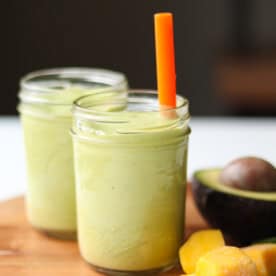
Mango Avocado Smoothie (no banana)
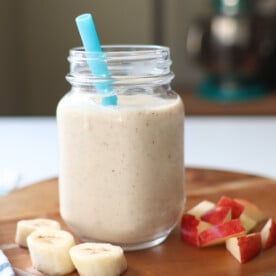
Apple Banana Smoothie
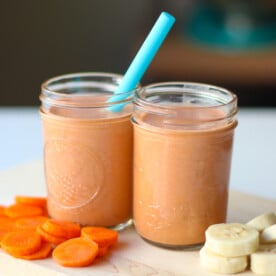
Carrot banana smoothie

Broccoli Smoothie

Avocado banana smoothie

Kale Mango Smoothie

Creamy Banana Watermelon Smoothie

Peach Banana Smoothie

Fiber Shake
Toddler Smoothies FAQs
Yes! Smoothies with protein, fat, and fiber can be a nourishing snack or part of a meal.
Smoothies can be part of a meal, but toddlers still benefit from eating solid foods regularly to support chewing skills and food exploration.
A few times per week works well for most families, depending on appetite and routine.
They can be helpful, especially during phases when toddlers eat only a few familiar foods, but they shouldn’t replace chances to explore whole foods and textures.