
This post may contain affiliate links. Please see our disclosure policy for more details.
You planned dinner. You cooked it. You finally got everyone to the table.
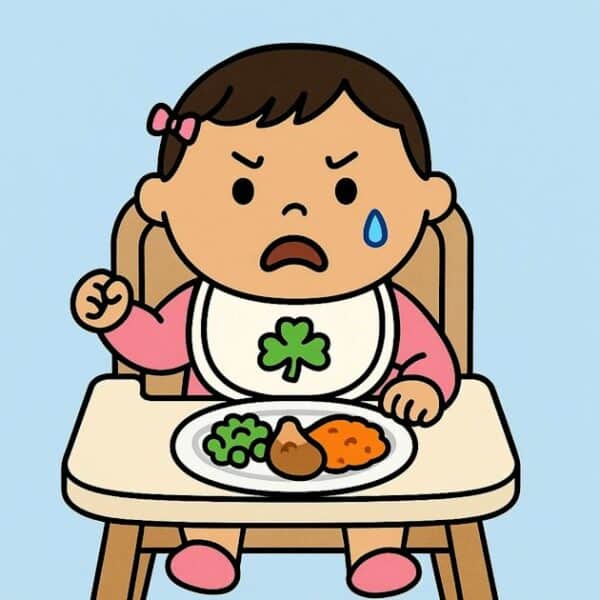
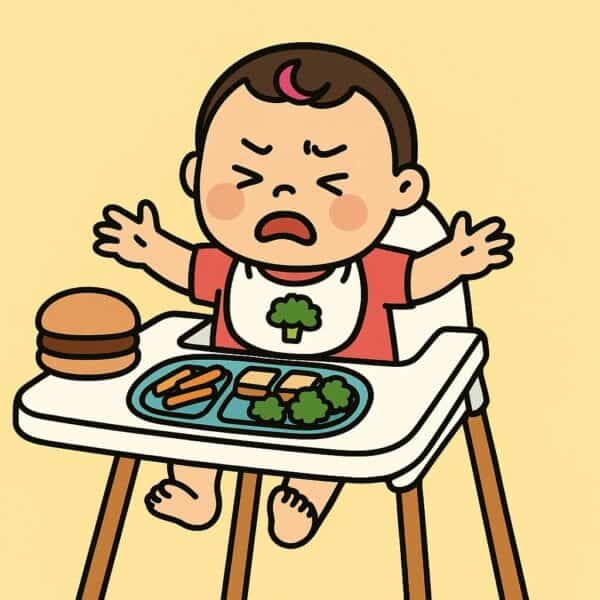
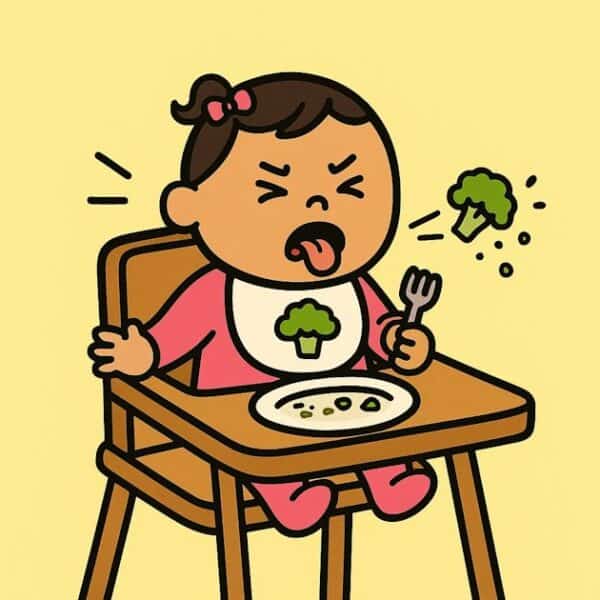
And then your child takes one look at what’s on their plate and announces, “I don’t want this! Can I have something else?”
Sound familiar?
It’s frustrating, especially when you’ve already spent so much time and energy getting dinner on the table. And when it happens night after night, it’s easy to wonder whether you should just make something you know they’ll eat.
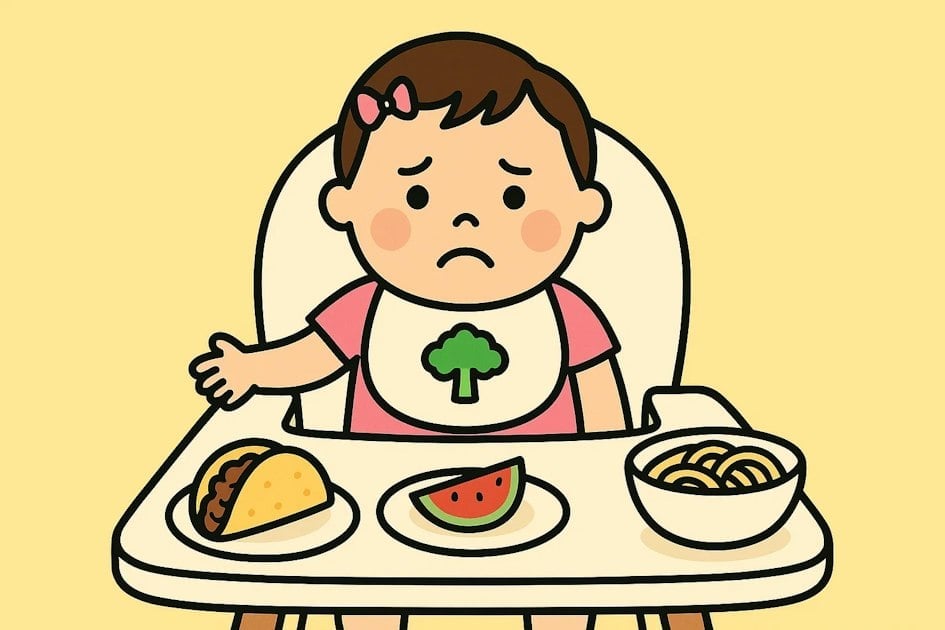
But here’s what I want you to know! Refusing a family meal doesn’t automatically mean your child is being difficult, and it doesn’t mean you’re doing anything wrong.
The good news? There’s a middle ground between cooking a separate meal every night and insisting your child eat what’s served.
Let’s talk about why this happens and how to respond in a way that respects your child’s needs while keeping family mealtimes manageable.
Table of Contents
Why Does My Child Refuse the Family Meal?
There are several reasons children may reject what’s being served, and it’s not always about the food itself.
1. Familiar foods feel safe
Young children tend to prefer what’s familiar. This is partly due to food neophobia, a common developmental tendency to be cautious around unfamiliar foods that often becomes more noticeable during the toddler and preschool years.
Even a food your child has eaten before might seem unfamiliar if it’s prepared differently, mixed with other ingredients, or served with a new sauce.
Let’s try to think about it from their perspective. They know exactly what their favorite crackers or plain pasta will taste and feel like. A casserole with several ingredients mixed together? That’s a lot more unpredictable.
2. They’re learning to make their own decisions
As children grow, they naturally want more independence, including having a say in what they eat.
And while it may feel like they’re trying to challenge you, they’re often simply expressing a preference or exercising their growing autonomy.
This is where giving children some choices, while maintaining predictable mealtime routines, can be helpful.
3. Their appetite changes from day to day
Children’s appetites aren’t consistent, and that’s completely normal.
Growth patterns, activity levels, illness, fatigue, and how much they’ve eaten earlier in the day can all influence how hungry they feel at dinner.
Sometimes, when your child says they don’t want dinner, they genuinely aren’t very hungry. Other times, they may be hungry but not interested in the particular foods being offered.
4. Certain textures, flavors, or food combinations may be challenging
Some children are especially sensitive to how foods look, smell, taste, or feel in their mouths.
A child who happily eats plain rice, chicken, and broccoli separately might struggle when those same ingredients are combined into a stir-fry.
That doesn’t mean you need to avoid mixed dishes altogether. But offering familiar components separately can make family meals feel more manageable.
5. Mealtime experiences can influence how they respond to food
Children learn through repeated experiences, including what happens when they refuse a meal.
If asking for something different has regularly resulted in a preferred food being served, they may naturally come to expect that option.
Similarly, if meals have involved pressure, bargaining, or arguments, children may begin to associate certain foods or mealtimes with stress.
The good news is that these patterns can change. And you don’t need to become stricter or more controlling to make that happen.
What to Do When Your Child Refuses Dinner
1. Serve one family meal, but always include something familiar

This is one of my favorite ways to make family meals work for everyone.
You don’t need to cook a completely separate dinner for your child. But you also don’t need to expect them to eat a plate filled entirely with foods they’re uncomfortable with.
Instead, include at least one food you know your child generally enjoys and feels comfortable eating.
That might be rice, bread, fruit, avocado, or another familiar food.
One thing I want to emphasize here: Make sure the familiar food is something your child can realistically eat enough of to feel satisfied.
For example, a few cucumber slices might be familiar, but they probably won’t be enough for a hungry toddler who doesn’t eat anything else on the plate.
If you’re serving chicken curry, you might offer rice and a familiar vegetable alongside it. Your child can enjoy those foods while continuing to see and become familiar with the curry.
This helps make the meal feel more approachable without putting pressure on your child to eat something they’re not ready for.
And remember, a familiar food isn’t a reward for trying something new. It’s simply part of the meal.
If you need some fresh dinner ideas, here are some of the most-loved, tried-and-true kid-friendly dinners that families keep coming back to!
2. Try not to automatically prepare a different meal when they refuse
I know how tempting this can be, especially when you’re tired and just want everyone to eat.
But if your child learns that refusing dinner consistently leads to a preferred alternative, it can become a predictable pattern that’s difficult to change.
Instead, decide what you’re serving, making sure there’s something familiar and satisfying available, and allow your child to choose what and how much to eat.
This follows the Division of Responsibility in Feeding, developed by registered dietitian Ellyn Satter.
As the parent, you decide what, when, and where food is offered. Your child decides whether and how much to eat from what’s provided.
That means your child is allowed to eat only the familiar food. They’re also allowed to eat very little or nothing at that particular meal.
You don’t need to negotiate, persuade, or insist on just one bite.
And if they choose not to eat, you can calmly let them know when the next meal or snack will be.
The key is to maintain a predictable eating routine rather than using hunger as a way to convince your child to eat.
3. Acknowledge their feelings without changing the menu
Your child can be disappointed about dinner. And you can still stick with what you’ve planned.
Try saying:
“I know you were really hoping for mac and cheese tonight. It’s okay to feel disappointed. We’re having chicken and rice tonight, and you can choose what you’d like to eat.”
Or simply:
“You don’t have to eat it. You can choose from what’s on the table.”
You don’t need a long explanation or a convincing argument.
Sometimes, the more we talk about what our children are or aren’t eating, the more attention food refusal receives.
Keep your response kind, brief, and matter-of-fact. Then move on to enjoying your own meal and connecting as a family.
4. Give your child choices within the meal
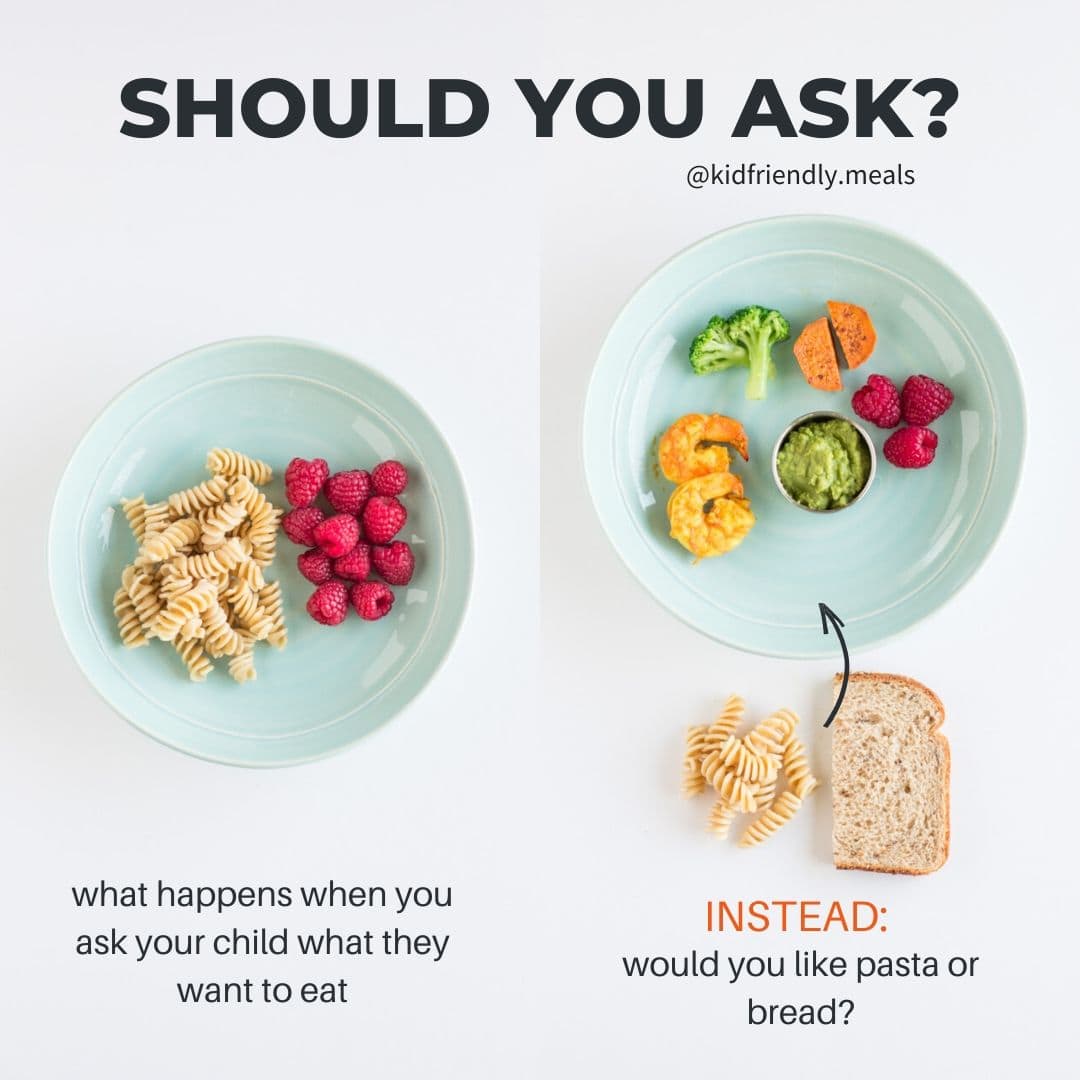
Children benefit from having opportunities to make decisions, and mealtimes are a great place to practice.
Instead of asking, “What do you want for dinner?” after you’ve already cooked, offer a couple of manageable choices.
For example:
- “Would you like your sauce on top or on the side?”
- “Do you want your chicken cut up or in strips?”
- “Would you like to serve yourself or have me help?”
- “Do you want a little rice or a lot?”
These small choices give your child a sense of autonomy while allowing you to maintain the overall structure of the meal.
Just remember that choices are an invitation, not another way to convince them to eat.
5. Make family meals more approachable by serving foods separately

Not every child is ready to enjoy a casserole, soup, or stir-fry with everything mixed together.
And that’s okay!
You can serve the same family meal in slightly different ways without preparing a completely separate dish.
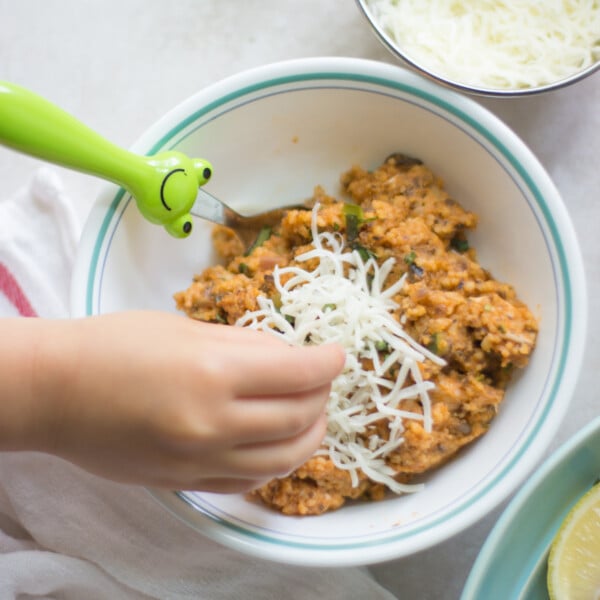
For example, if you’re making pasta with meat sauce, you might offer plain pasta, some sauce on the side, and a familiar vegetable.
Or if you’re having tacos, set out the individual components and let everyone build their own.
This approach allows your child to participate in the family meal while having some control over how the foods are presented.
And if your child insists that their foods can’t touch? That’s actually a pretty common preference! I explain why some toddlers don’t like foods touching and how to help them become more flexible without pressure.
Research suggests that repeated, pressure-free exposure can help children become more familiar with foods and, over time, may increase their willingness to taste or accept them.
But that doesn’t mean every child will eventually like every food. And that’s okay, too.
Remember, exposure isn’t just about taking a bite. Seeing, smelling, touching, and interacting with foods can also be valuable steps toward building familiarity.
6. Involve your child in meal planning and preparation
Children may be more interested in meals when they’ve had a chance to participate in the process.
That doesn’t mean handing over the entire dinner menu!
You might invite them to choose between two vegetables, help wash produce, stir ingredients, or pick one family meal for the week.
Even young toddlers can participate in simple, age-appropriate kitchen tasks.
And while cooking together doesn’t guarantee they’ll eat what they’ve helped prepare, it creates opportunities for positive, pressure-free interactions with food.
Sometimes, that’s the win!
7. Be consistent, but leave room for flexibility
Consistency helps children understand what to expect.
But that doesn’t mean you need to follow rigid rules or refuse every request for something different.
There will be evenings when your child is sick, exhausted, overwhelmed, or genuinely struggling with what’s being served.
It’s okay to adjust.
Maybe you offer a simpler version of the meal, add another familiar food, or occasionally change your plans altogether.
When to Seek Additional Support
While refusing certain foods is common during childhood, it’s important not to dismiss every feeding challenge as a normal phase.
Consider talking with your child’s pediatrician if you notice:
- A very limited range of accepted foods, especially if that list continues to shrink
- Significant distress, anxiety, or meltdowns around meals
- Frequent gagging, coughing, choking, or vomiting when eating
- Difficulty chewing or swallowing certain textures
- Poor weight gain (here are best foods to offer babies and toddlers for weight gain), growth concerns, or signs of nutritional deficiencies
- Food refusal that’s significantly affecting your child’s nutrition or daily life
A pediatric registered dietitian or feeding therapist can help identify what’s contributing to these challenges and develop an individualized approach.
And please don’t feel like you need to wait until mealtimes become completely overwhelming to ask for help. Early support can make a meaningful difference.
A Final Reminder
Your child doesn’t have to love what’s for dinner. And you don’t have to make something different every time they don’t.
There’s a middle ground where your child feels supported, you maintain some structure, and everyone can enjoy mealtimes a little more.
Your job is to provide regular opportunities to eat, offer a variety of foods alongside familiar options, and make mealtimes as comfortable and enjoyable as possible.
Your child’s job is to listen to their body and decide what and how much to eat.
Some days, they’ll surprise you and happily eat something new. Other days, they’ll eat the bread and leave everything else untouched.
Both can be part of learning to eat.
Progress isn’t measured by how many bites your child takes tonight. It’s built through repeated, positive experiences with food, trust, and opportunities to explore at their own pace.
So if dinner doesn’t go as planned tonight, try not to get discouraged. You’re playing the LONG game here, and there will be plenty more opportunities to learn and grow together.